

Balancing aesthetics and usability is a significant hurdle for businesses looking to create an outstanding website. That’s why understanding the modern web design principles is a must.
But what does modern web design entail in the first place?
Modern web design goes beyond looks, focusing on usability, accessibility, and user experience through clear design principles. Simplicity, consistency, visual hierarchy, responsiveness, and user-focused design help create functional, engaging websites. Brutalism and Neubrutalism (and Retro Brutalism) challenge polished aesthetics by embracing raw, honest, and bold design while still prioritising function.
To successfully blend these visual styles while maintaining performance and usability, it’s essential to partner with professional web design services that understand both creativity and technical excellence.
Do you want to learn more about the role of Brutalism, Neubrutalism, and Retro Brutalism in modern web design? Let’s go!
Why Does the Selection of Design Principles Matter in Modern Web Design?
There’s a myth around web design that it is only supposed to make your site or app pretty. Well, it is much more than that.
While an aesthetically pleasing web product indeed makes a great first impression, a great user experience is not just about aesthetics; it also encompasses accessibility, functionality, inclusivity, and more.
Yes, design is mainly about visuals. Still, the impact of UIs on users goes beyond visual appeal.
There should always be a balanced blend of function and form. Every UI element needs to make your site or app appealing while providing a smooth UX and optimal performance.
What are the Basic Design Principles in Modern Web Design?
1. Simplicity
We have all heard the saying: Less is more! One of the most common myths about web design is that you need a colourful, super bright, hyper-interactive website to have a great website.
In reality, simplicity always wins!
However, simple doesn’t mean a bland design. It is all about making the site clear and clean, with a blend of interesting minimalist aesthetics that guide users smoothly in the journey.
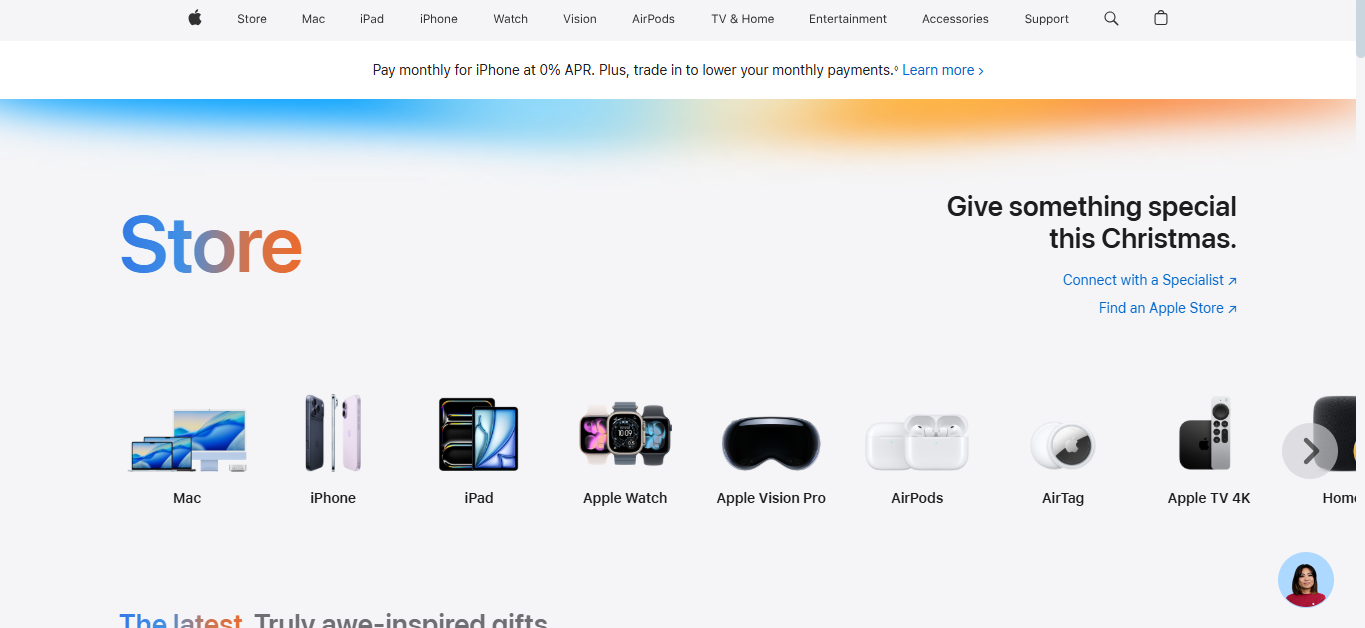
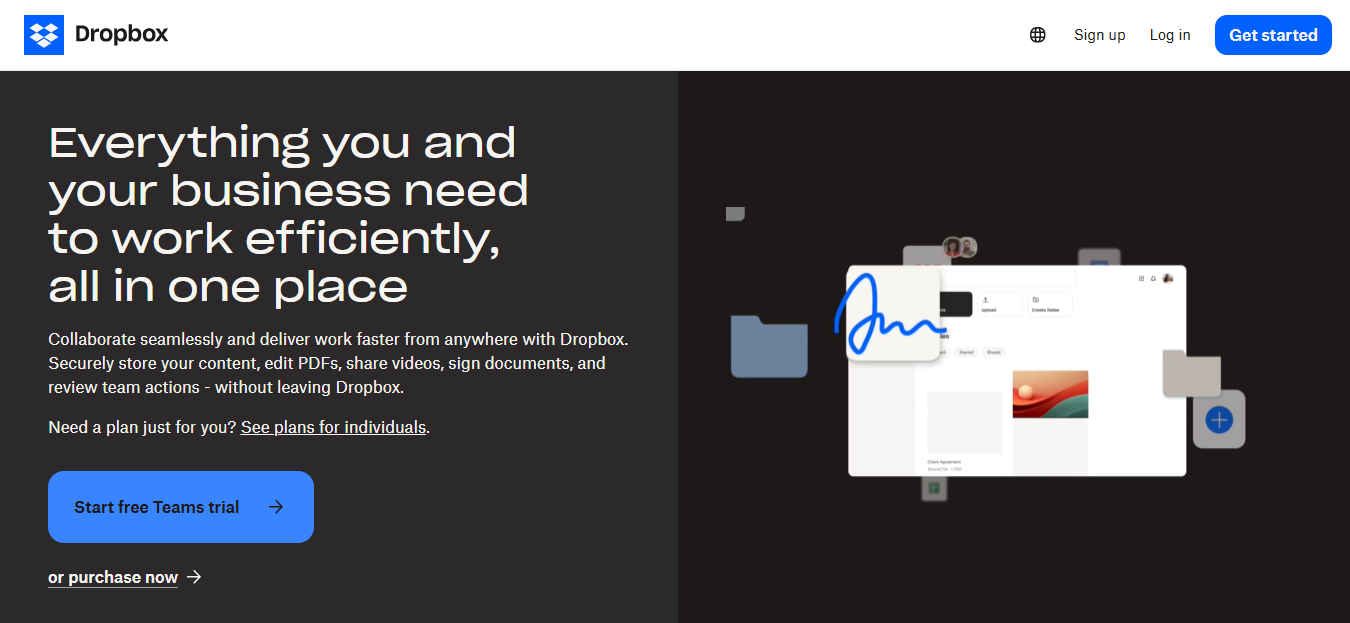
The Apple website is an excellent example of enhanced simplicity and clear digital communication.
2. Consistency
Consistent design helps create a predictable, cohesive UX.
But that doesn’t mean that every page will look the same or have the same messaging. This makes the website seem repetitive.
Design consistency means the website maintains a consistent tone and style. This makes the user journey predictable and comfortable.
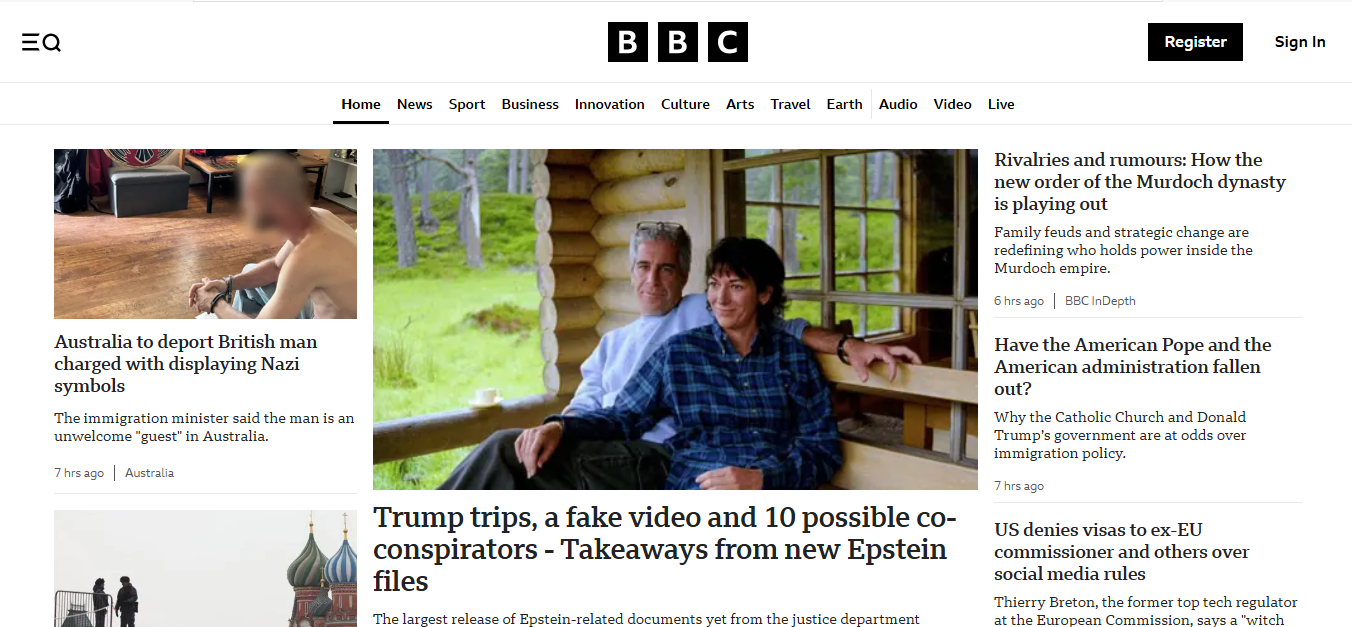
So, design consistency also adds cognitive value to the brand.
3. Visual Hierarchy
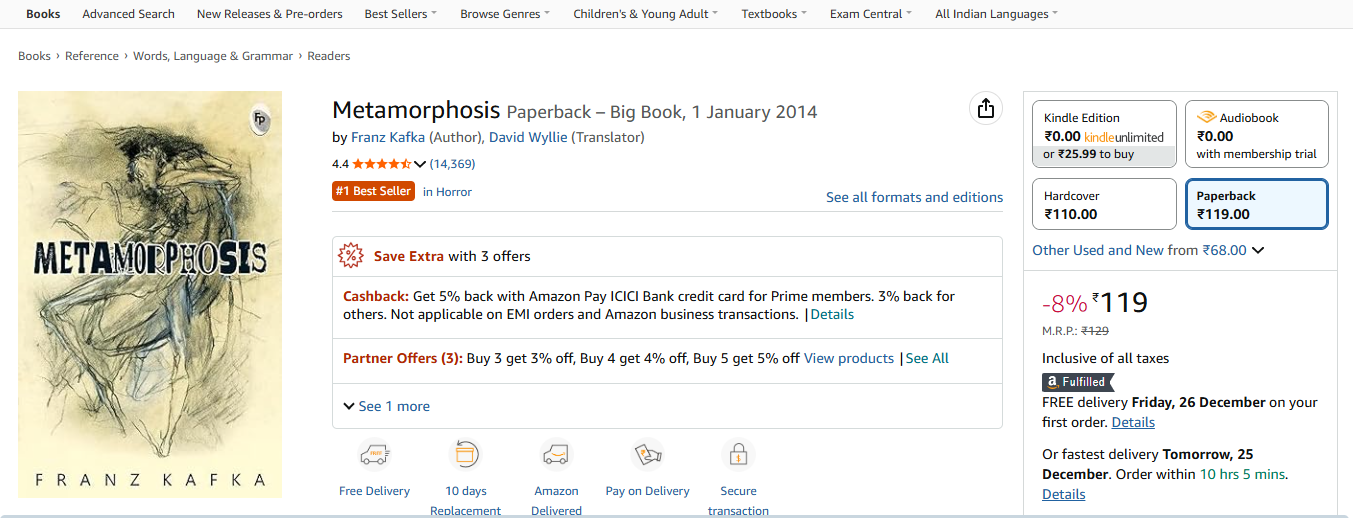
Visual hierarchy is the arrangement of UI elements on your website or app. This is an essential aspect of web design, especially for eCommerce platforms.
It guides users to the page’s crucial elements. This is done by styling and the position of UI elements. A well-defined visual hierarchy defines how users will see information on your site.
4. Mobile Responsiveness
According to Statista, in Q2 of 2025, mobile devices (excluding tablets) accounted for 62.54% of worldwide website traffic.
Mobile devices account for more than half of internet traffic. Plus, Google prefers mobile-friendly websites more than non-responsive ones. So, this is indeed a necessity.
Mobile responsiveness helps create a positive UX and is vital for your business because it enables you to reach a wider audience and optimize your SEO efforts.

5. User-Focused Design
For your website or app to be effective, you should focus on your users.
We live in a time when users’ attention spans are shorter than a goldfish’s. Without a user-centric design, you will lose the user attraction and retention game.
To create a user-centric design, you need to understand users’ needs, behaviours, and preferences. This way, you can make a website that resonates with them while keeping them satisfied and engaged.
These are some of the principles highly valued by top designers. But the question is whether retro Brutalism can really provide all these in its designs.
We will get to that. But, before everything, let’s briefly explore what Brutalism is.
What is Brutalism in Modern Web Design?
The foundation of Brutalist design emerged long before the Internet existed. It was mainly a Western reaction to the Soviet idea of building colossal structures to accommodate its growing urban population.
So, Brutalism emerged as an architectural design that seemed intimidating and raw.
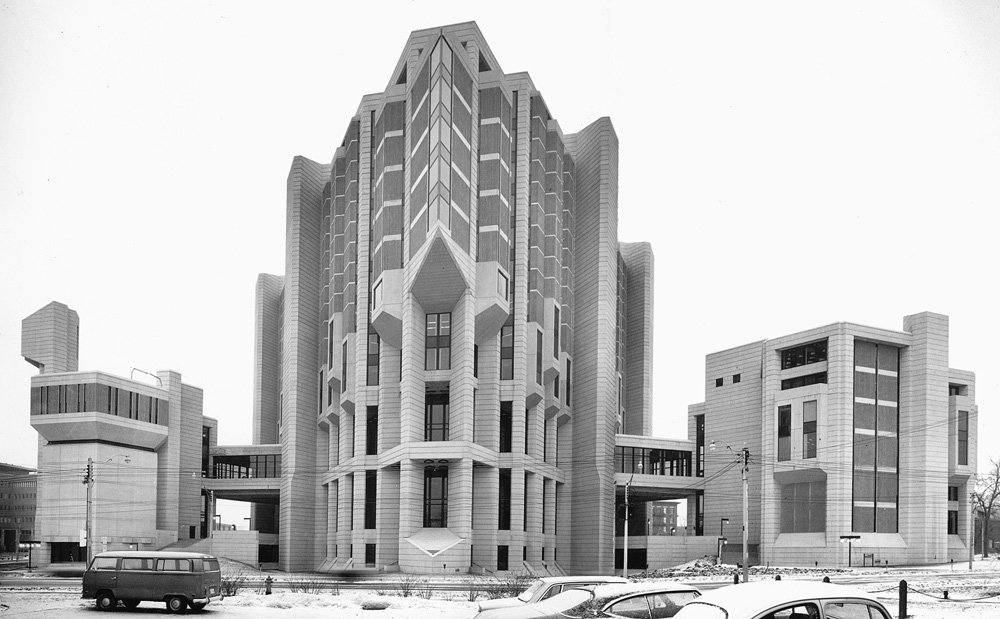
Caption: Robarts Library
(Source: Spacing)
Robarts Library is a fine example of brutalist architecture. But the critical question remains.
What is Brutalism in Web Design?
Brutalism is an aesthetic movement that is more into celebrating and exposing the raw materials instead of decorative elements.
As already stated above, its roots can be traced back to the 1950s and 70s. But it can also be seen in modern web design.
The reason for Brutalism’s relevance is in its ability to describe a mindset rather than focusing on visual characteristics. By exposing the rawness, Brutalism tends to flaunt the design flaws.
This design principle is brutally honest.
What are the Characteristics of Brutalism in Modern Web Design?
-
Exposure of rawness
-
Monochrome
-
Bare functionality
-
Avoiding decorations
-
Extruded, layered, or articulated pieces
-
Unedited elements
The visual elements of Brutalism are hard to describe. It varies based on the designer’s and the medium’s perspective.
The Resurgence of Brutalism in Modern Web Design
In recent times, Brutalism has emerged in one of the most unexpected places: modern web design.
It is hard to establish a relationship between Brutalism as an architectural principle and as a web design principle. However, it isn’t impossible. If seen minutely, one can find countless similarities.
For instance, Brutalism in architecture focuses on displaying the rawness of colossal structures. You can find the same in brutalist websites. It’s just that the digital designs lack physical aspects.
Brutalism’s authenticity and honesty transcend genre.
One great example of Brutalism in modern web design is Craigslist.
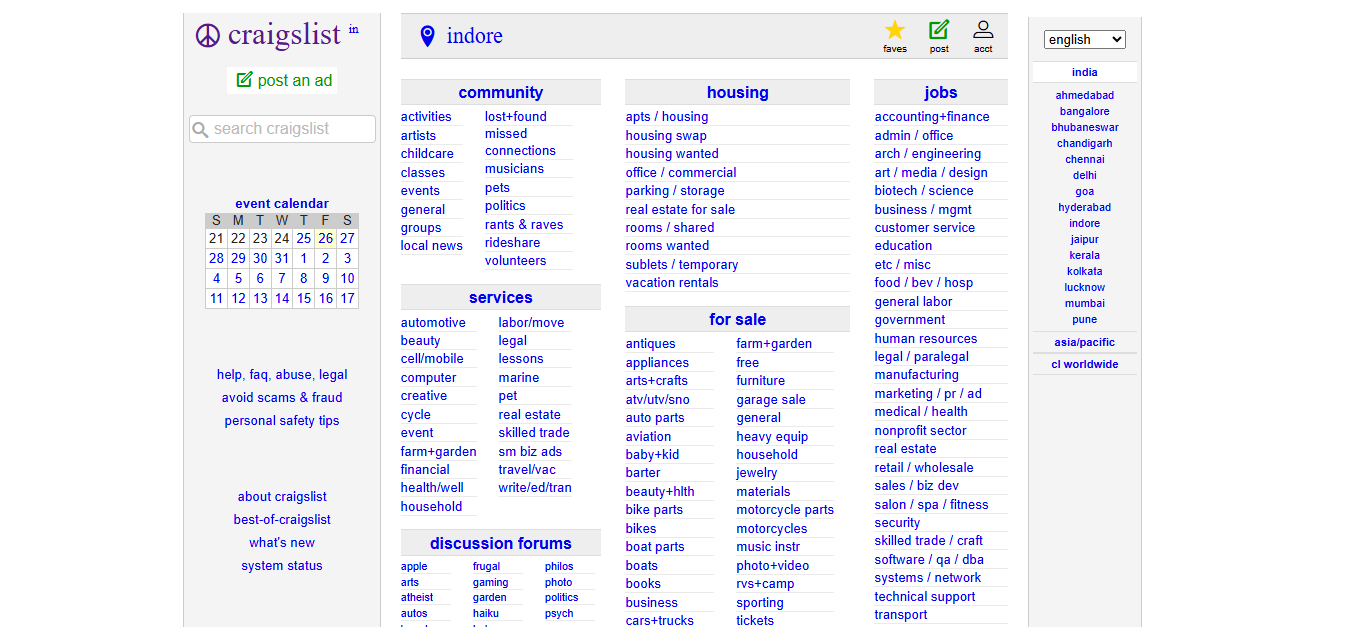
This is a famous website whose appearance hasn’t changed for a long time (more than a decade). Although the barebones UI doesn’t meet the required aesthetics standards, the site is highly functional.
We don’t know whether it was intentional, but the designers took a brutalist approach focused on simplicity and usefulness.
Now that we know about Brutalism’s emergence in modern web designs, let’s explore what neo-brutalism is.
Can Neubrutalism Reimagine Modern Web Design?
If Brutalism was a reaction against Soviet architectural superiority, then Neo-Brutalism is a reaction to design aesthetics shaped by minimalist, sleek designs.
What is Neubrutalism?
Neubrutalism (a.k.a Neobrutalism) is a design principle that is characterised by bold colours, thick borders, blocks, and unpolished elements.
Although Neubrutalism is an evolution of conventional Brutalism, they are different.
Brutalism vs Neubrutalism in Modern Web Design
As mentioned above, Neubrutalism is a derivative of Brutalism. That’s because:
-
Both are reactions to something (be it an architectural style or a design style)
-
Both of these principles are honest and bring out rawness in design
But they differ in certain respects.
For that, let’s look at two websites. The first one is the Drudge Report.
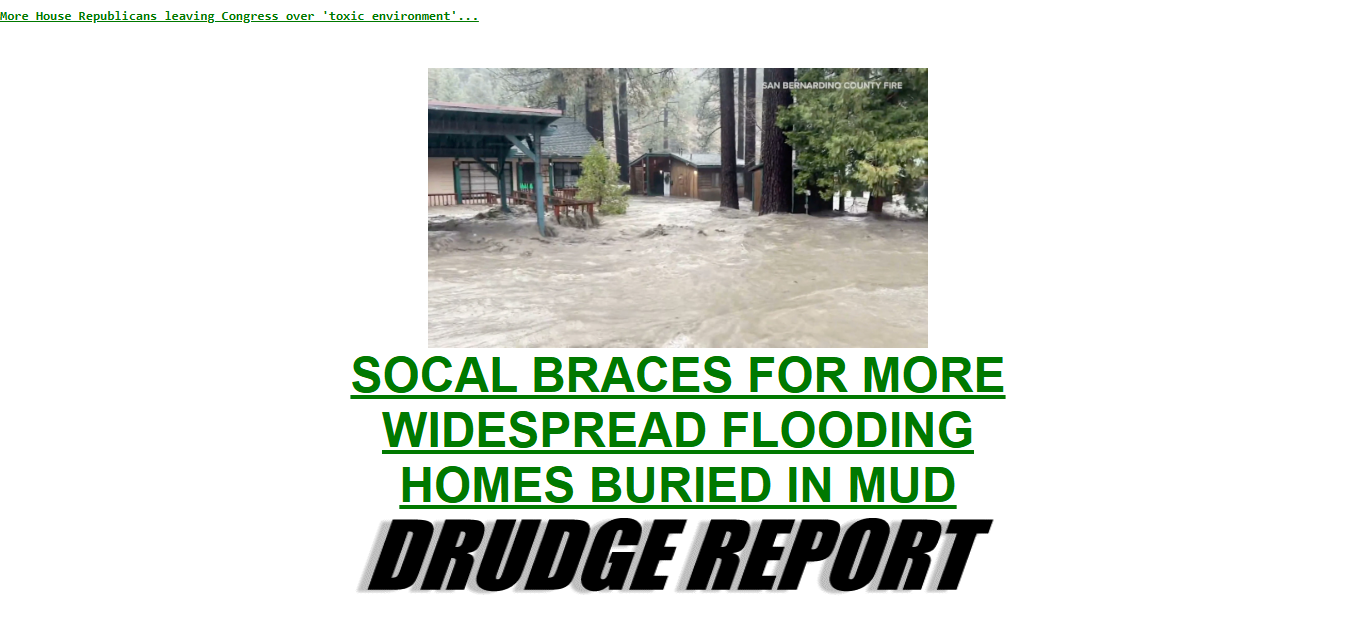
(Source: Drudge Report)
This is a purely brutalist website. The brutalist aesthetics in this website are characterised by:
-
Barebones structure
-
Monospaced headlines
-
Rigid layout
In a nutshell, it gives us a vibe of the pre-CSS era.
Now, look at this website.
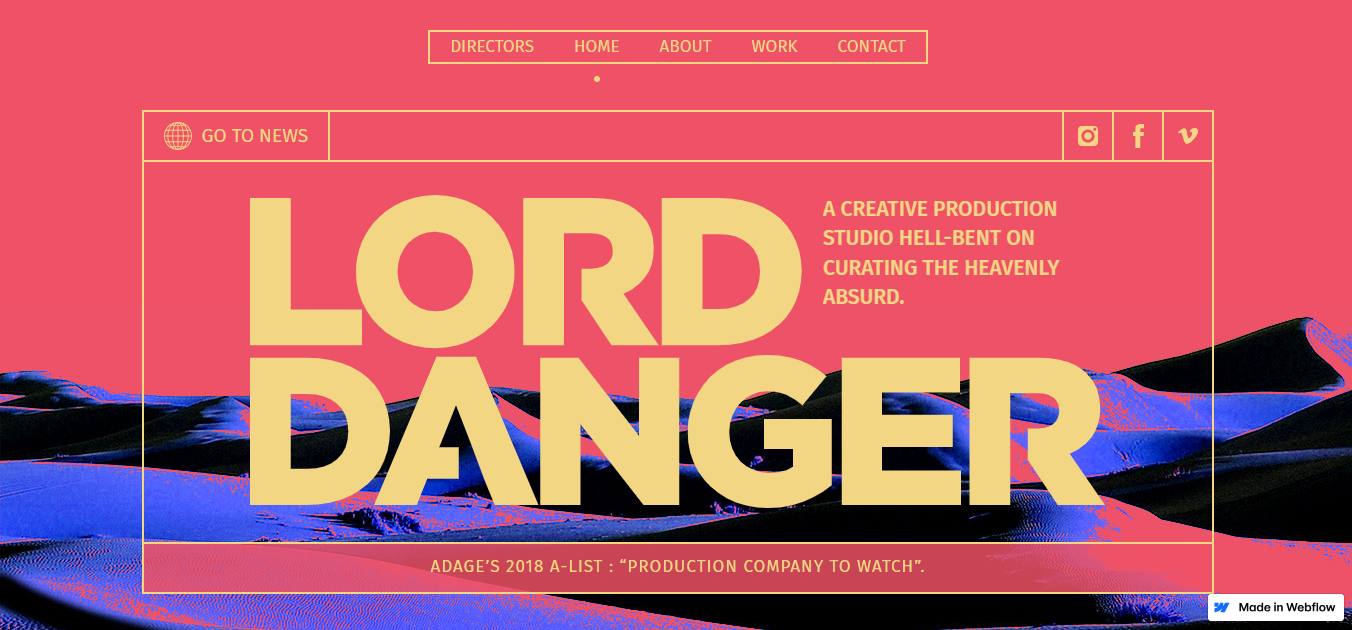
(Source: Lord Danger)
Can you see the difference?
This is an example of a neubrutalist website.
Neubrutalism is a combination of 90s UI elements with brutalist principles. As seen in the above example, Neubrutalist websites are comparatively orderly and colourful.
You can find a blocked layout with bold colours and oversized typography (maximalist typography).
If you want to know more about Maximalist Typography, you can check out: Visual Trends of 2025 & Beyond: Maximalist Typography.
What are the Characteristics of Neubrutalism?
-
Bold Colours and Bright Contrast: These designs use the combination of bright colours and high contrast in the UI, making the design bold and loud.
-
Thick Lines + Geometric Shapes: Neubrutalism doesn’t shy away from angular forms, solid lines, and thick borders, without any sync with shadows or gradients.
-
Stark Elevations or Shadows: It also encourages bold, striking shadows rather than softness (a quality encouraged by minimalism). For this, it resorts to single colour shadows that maintain the raw aesthetics.
-
Skeumorphism (if needed): Neumorphism may integrate nostalgic UI elements, such as Windows 98 buttons or Monospaced fonts. This blends retro aesthetics into modern web design.
Is Retro Brutalism (an Offshoot of Neubrutalism) Relevant in Modern Web Design?
Retro Brutalism is very relevant today. Just like any UI design principle, its relevance depends on the requirements of the website or app.
While simple minimalist designs work well for content-heavy sites, Neumorphism is best for UI elements on fitness or financial websites or apps.
However, if you want to incorporate retro Brutalism, you have to look at the scenarios. Retro Brutalism works best:
-
When the creative designer has an innovative and unrestrained visual style
-
When the target audience is a set of creative professionals who will appreciate and understand the visuals. One who understands these design principles won’t be put off by the designs.
-
When you want to promote entertainment and the arts.
Do you dare to be Brutalist?
Whether Brutalism is intimidating or not depends on whom you ask. But you have to appreciate a design principle that has fascinated audiences for decades.
Retro Brutalism, an offshoot of Neubrutalism in modern web design, works exceptionally well for specific websites. If you can tap that, you will surely stand out.
However, you can’t randomly use retro brutalist UI elements in anything you want. A careful consideration of the target audience and business needs is necessary.
Do you want to learn more about which visual style will work for your business website? We are always here for you.
Contact Webskitters Ltd. and let us help you craft a unique visual style for your business website.
FAQs
1. Why are design principles important in modern web design?
They ensure a website is usable, accessible, and delivers a smooth user experience beyond visual appeal.
2. What does simplicity mean in web design?
Simplicity focuses on clean, clear layouts that guide users effortlessly without unnecessary distractions.
3. How does Brutalism differ from modern minimal design?
Brutalism embraces raw, unpolished visuals and bare functionality instead of sleek aesthetics.
4. What is Neubrutalism in web design?
Neubrutalism is a bold, colorful evolution of Brutalism using thick borders, blocks, and retro UI elements.
5. Can Brutalist or Neubrutalist design still offer good UX?
Yes, when applied thoughtfully, they can deliver strong usability while making a bold design statement.
